Koh Samui
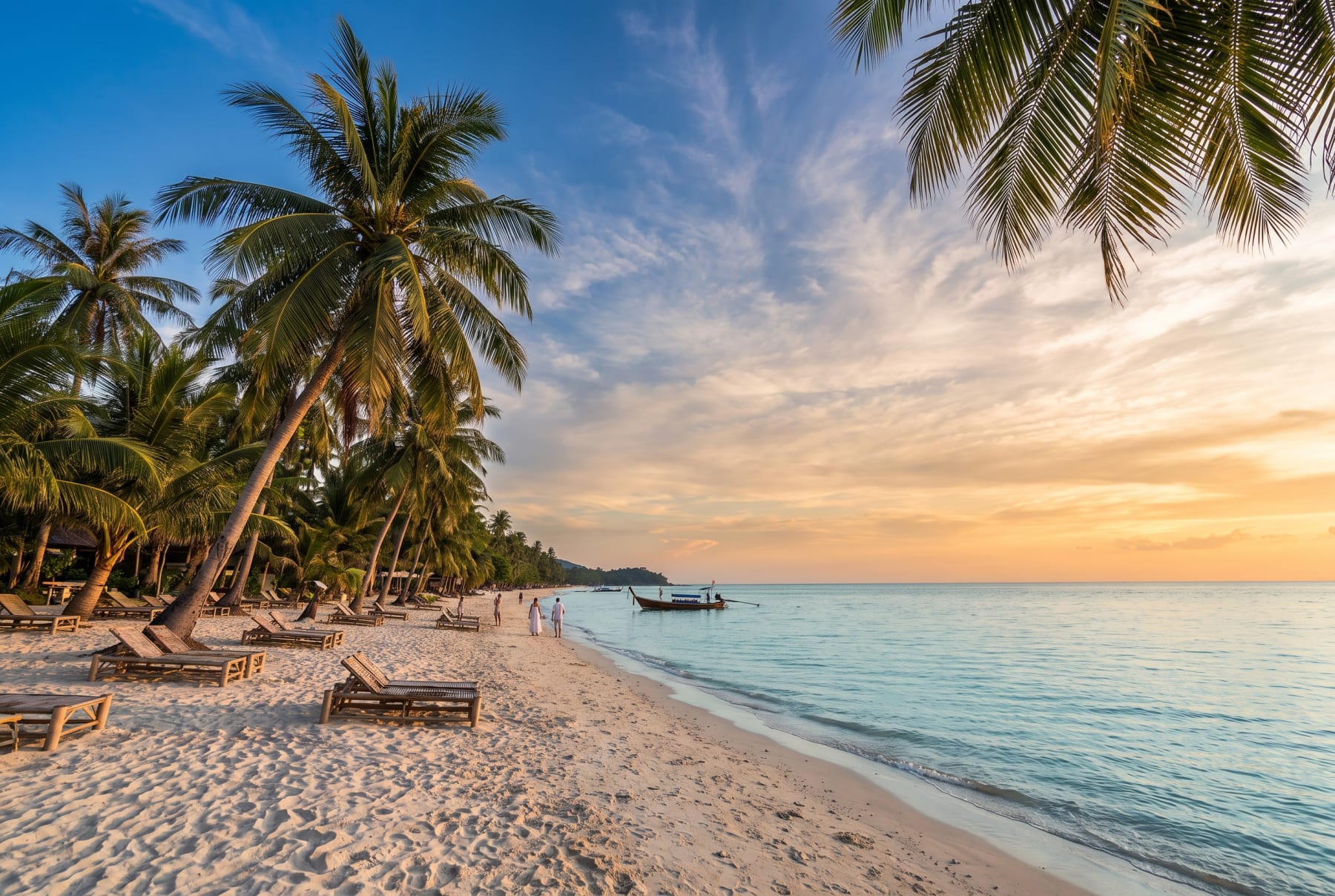
Koh Samui is Thailand's most developed island outside Phuket — and increasingly popular with Australians who want genuine island living without the full remoteness of a smaller island. Direct flights from Bangkok, a solid hospital, and a growing long-term expat community make it a viable base for Australian retirees and remote workers.
Koh Samui's Expat Evolution
Koh Samui was a backpacker destination in the 1980s and a package-holiday island in the 1990s. Today it is a maturing expat destination with high-end villas, quality restaurants, excellent beach clubs, and an infrastructure level that supports long-term residential living comfortably. The island is small enough to drive across in 30 minutes but large enough to have distinct neighbourhoods with different characters.
Best Areas For Australian Long-Stay Residents
Bophut (north coast): the most popular area for longer-term expats. Fisherman's Village is a charming walkable strip of restaurants, boutiques, and bars. Less touristy than Chaweng. Good mix of condos and pool villas. 1-bedroom from 12,000–25,000 THB/month. Pool villa (3-bedroom): 35,000–70,000 THB/month. Chaweng Noi (south of main Chaweng): quieter than central Chaweng, sea views, hilltop villas. Popular with digital nomads and younger Australian residents. Maenam (north coast): the most residential and local-feeling area. Lower prices, good beach, popular with budget-conscious long-stay residents.
Flights And Connections
Samui Airport (the only privately-owned commercial airport in Thailand, operated by Bangkok Airways) connects to Bangkok (55-minute flight, multiple times daily) and to Phuket, Chiang Mai, and Kuala Lumpur. The absence of low-cost carrier access at Samui is a known frustration — Bangkok Airways prices are higher than equivalent Thai airways fares. Getting from Samui to Australia involves Bangkok (1 hour flight, then connecting). For Australians flying frequently, this adds a step compared to Bangkok or Phuket.
Healthcare On Koh Samui
Bangkok Hospital Samui (Nathon, west coast) is the island's primary international facility — adequate for most expat healthcare needs including emergency care, cardiac monitoring, and routine specialist consultations. For complex surgery or serious conditions, medical transfer to Bangkok is standard. Australians on Koh Samui should factor this into their health insurance — ensure your policy covers medical evacuation to Bangkok.
Internet And Remote Work
AIS and True Move H both offer 4G/5G coverage across most of the island. Fibre is available in developed residential areas. Coworking options are limited compared to Chiang Mai or Bangkok — most remote-working Australians on Samui work from home or villa setups.
Cost Of Living (Approximate, 2025)
1-bedroom condo (Bophut): 12,000–22,000 THB/month. Meals: 80–300 THB per person at local restaurants; 400–1,000 THB at beach clubs. Total monthly budget for an Australian couple (comfortable island lifestyle): 75,000–120,000 THB (approximately AUD 3,300–5,300).
Visa services we handle
Check stays in Koh Samui
Immigration office
Koh Samui immigration office
Confirm the local immigration office, hours and required documents with the Thailand Immigration Bureau before visiting.
Need visa help in Koh Samui?
Check eligibilityVisa rules, office locations and hours change — our specialists verify the current details with the Thailand Immigration Bureau for your case.